


Best laser engraving materials in the UK
Laser engraving is a fantastic way to personalise items, create unique gifts, or add a professional touch to products. Whether you're a hobbyist or a business owner, choosing the right materials for laser engraving is crucial to achieving the best results. In this post, I’ll share my insights on the best materials for laser engraving available in the UK, helping you make informed decisions for your projects.
Understanding materials for laser engraving
When it comes to laser engraving, not all materials behave the same way. Some materials engrave beautifully, producing crisp, clear designs, while others may burn, melt, or produce poor results. The key is to select materials that are compatible with your laser engraver and suit your projects purpose.
Here are some popular materials for laser engraving and what makes them stand out:
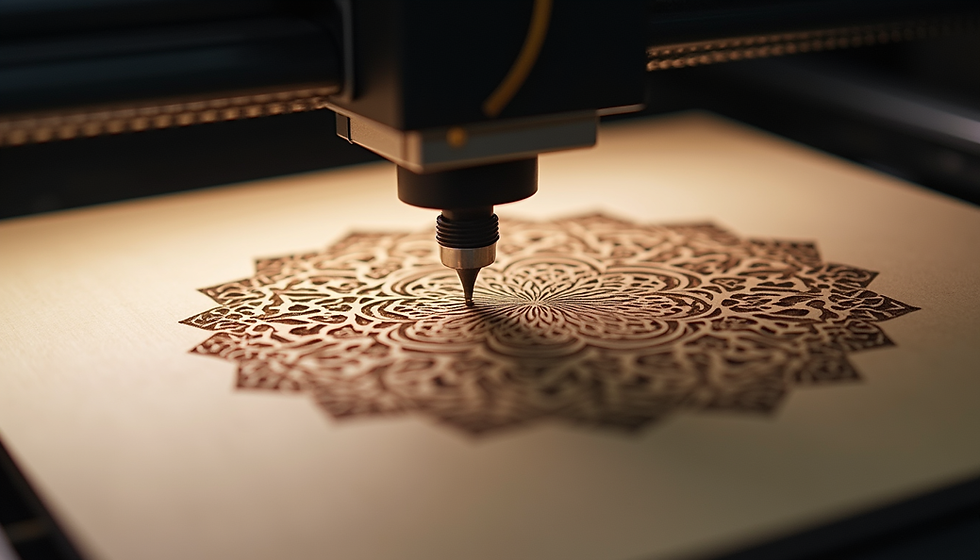
Wood: A classic choice, wood engraves well and offers a warm, natural finish. Different types of wood like maple, oak, and cherry provide varying textures and colours.
Acrylic: Acrylic sheets are perfect for vibrant, precise engravings. They come in many colours and thicknesses, making them versatile for signs, awards, and decorative items.
Glass: Glass engraving creates elegant, frosted designs. It’s ideal for personalised gifts like wine glasses or awards.
Leather: Leather engraves with a rich, dark contrast. It’s great for wallets, belts, and accessories.
Metal: Metals like stainless steel and aluminium require special coatings or laser types but can produce stunning, durable engravings.
Choosing the right material depends on your laser machines power, the projects purpose, and the desired finish.

Top materials for laser engraving in the UK
In the UK, sourcing quality materials for laser engraving is easier than ever. Here are some of the best materials you can find locally or online, along with tips on how to use them effectively:
Wood
Wood is a favourite for many laser engraving enthusiasts. It’s affordable, easy to work with, and produces beautiful results. Softwoods like pine engrave quickly but may burn easily, while hardwoods like oak and walnut offer deeper, more detailed engravings.
Tips for engraving wood:
Use a medium power setting to avoid charring.
Sand the wood before engraving for a smooth surface.
Seal the wood after engraving to protect the design.
When cutting, reduce the PPI (Pulses Per Inch), this will give a nicer edge finish.
Acrylic
Acrylic is a synthetic material that engraves with a clean, white frosted effect. It’s perfect for signs, awards, and decorative panels. You can find acrylic sheets in various colours and thicknesses in the UK.
Tips for engraving acrylic:
Use a high speed and low power for clear engraving.
Mask the surface with tape to prevent smoke stains.
Clean the acrylic after engraving to remove residue.
When cutting, increase the PPI (Pulses Per Inch), this will give a flame polished edge finish.
Glass
Glass engraving requires a bit more care but yields stunning results. The laser creates a frosted effect by etching the surface. This is ideal for personalised gifts or corporate awards.
Tips for engraving glass:
Use a low power setting to avoid cracking.
Make your graphic 80% black to get a clearer engraving
Clean the glass thoroughly before engraving.
Consider using a rotary attachment for cylindrical items like glasses.

Leather
Leather is a fantastic material for laser engraving, offering a rich contrast and a tactile finish. Natural vegetable-tanned leather works best, as synthetic leathers may melt or emit harmful fumes.
Tips for engraving leather:
Test on a scrap piece to find the right power and speed.
Avoid high power settings to prevent burning.
Use ventilation to manage fumes.
Metal
Engraving metal usually requires a fibre laser or a special coating on the metal surface. Stainless steel, anodised aluminium, and coated metals are popular choices.
Tips for engraving metal:
Use a fibre laser or metal marking spray for CO2 lasers.
Adjust power and speed settings carefully.
Clean the metal surface before and after engraving.
For a comprehensive selection of high-quality materials, I recommend checking out laser engraving materials uk suppliers who specialise in laser-grade materials suitable for various projects.
How to choose the right material for your project
Selecting the right material depends on several factors. Here’s a simple guide to help you decide:
Project purpose
Are you making gifts, signage, or industrial parts? For gifts, wood, glass, and leather are popular. For signage, acrylic and metal work well.
Laser machine compatibility
Check your laser engraver’s specifications. CO2 lasers work well with wood, acrylic, and glass, while fibre lasers are better for metals.
Finish and appearance
Decide if you want a natural look (wood, leather) or a modern, sleek finish (acrylic, metal).
Durability
Consider how the item will be used. Metals and acrylics are more durable than wood or leather.
Budget
Some materials like exotic woods or metals can be expensive. Acrylic and common woods are more budget-friendly.
By considering these factors, you can pick the perfect material that fits your needs and budget.

Tips for working with laser engraving materials
To get the best results from your laser engraving projects, here are some practical tips:
Test before you engrave
Always test your settings on a scrap piece of the material. This helps avoid costly mistakes.
Keep materials clean
Dust and oils can affect engraving quality. Clean your materials before starting.
Use proper ventilation
Some materials release fumes when engraved. Ensure your workspace is well-ventilated.
Adjust settings gradually
Start with lower power and speed settings and adjust as needed.
Maintain your laser machine
Regular cleaning and calibration keep your engraver performing at its best.
By following these tips, you’ll improve the quality and consistency of your laser engraving projects.
Exploring new materials and trends
The world of laser engraving materials is always evolving. New materials and finishes are emerging, offering exciting possibilities. For example:
Bamboo: A sustainable alternative to traditional wood, bamboo engraves beautifully and is eco-friendly.
Stone: Marble and slate can be engraved for unique, natural-looking products.
Fabric: Some fabrics can be laser engraved or cut for fashion and home décor projects.
Experimenting with these materials can help you stand out and offer unique products to your customers or friends.
Laser engraving opens up a world of creative possibilities, and choosing the right materials is the first step to success. Whether you prefer the warmth of wood, the sleekness of acrylic, or the elegance of glass, there’s a perfect material waiting for your next project. For those looking to source quality supplies, exploring trusted suppliers of laser engraving materials uk is a great way to ensure you get the best results every time. Happy engraving!


Comments